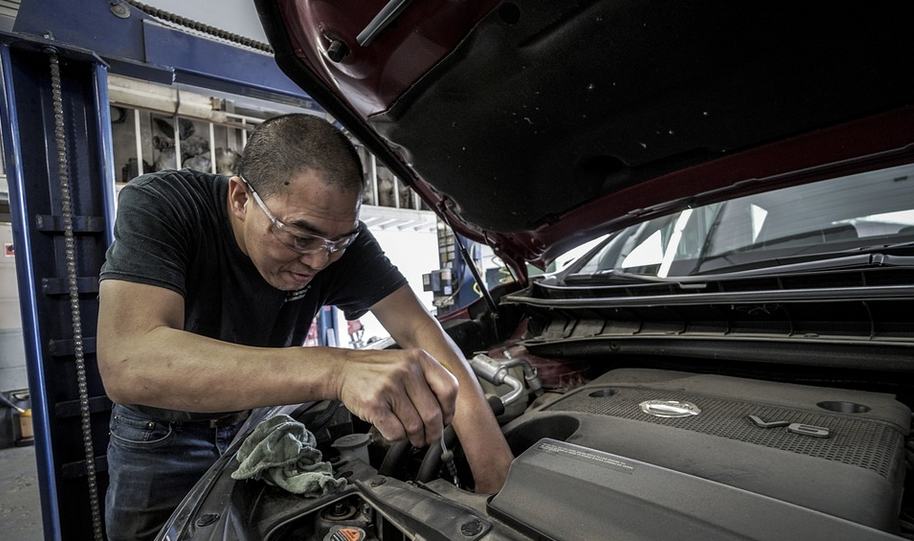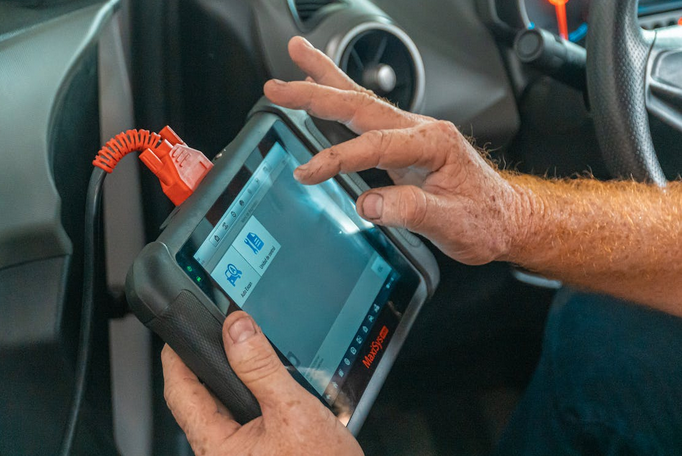
Are you tired of feeling clueless and intimidated regarding your vehicle’s safety inspection checklist? Don’t worry; you’re not alone. Many drivers struggle with understanding the ins and outs of this crucial process. But fear not because this blog post breaks down everything you need to know about your vehicle’s safety inspection checklist. We’ve got you covered, from what items are inspected to why they matter. So buckle up and get ready for a crash course in car safety.
Lights and Signals
A crucial aspect of a vehicle safety inspection is assessing the lights and signals. Inspectors check the functionality of headlights, taillights, brake lights, turn signals, and hazard lights. They ensure that these lights are not only working but also properly aligned.
Faulty or misaligned lights can compromise your visibility and create hazardous conditions on the road. So, keeping these essential components in proper working order is vital for a successful safety inspection. You can visit the vtv turnos la plata service to get your vehicle inspected and learn more about why lights and signals are so important.
Steering and Alignment

The steering and alignment of your vehicle play a vital role in its maneuverability and overall safety. During an inspection, the inspector will evaluate the condition of the steering system, including the steering wheel, steering column, and power steering components. They will also check the wheel alignment to ensure it is within acceptable limits. A well-functioning steering and properly aligned wheels contribute to a smooth and controlled driving experience.
Braking System
Your vehicle’s braking system is a key player in your safety on the road. During a safety inspection, the inspector will evaluate the condition of your brake pads, rotors, and calipers. They will check for wear, leakage, or improper functioning. Additionally, the parking brake will be tested for effectiveness. A properly maintained braking system ensures quick and reliable stops, providing you with peace of mind while driving.
Tires and Suspension
The condition of your tires and suspension greatly impacts your vehicle‘s stability and handling. Inspectors will examine the tread depth, sidewall condition, and overall tire health. They will also check the suspension components, including shock absorbers, struts, and control arms. Any excessive wear, damage, or misalignment can lead to a failed inspection. Proper tire pressure and regular suspension maintenance will help you pass this part of the inspection easily.
Exhaust Emissions
Environmental concerns are an essential part of vehicle safety inspections. Inspectors will assess the emissions system to ensure it meets the required standards. They will check for any leaks, the proper functioning of the catalytic converter, and the presence of any visible smoke or excessive emissions. A well-maintained emissions system reduces harmful pollutants released into the environment.
Other Essential Components
 In addition to the above, a vehicle safety inspection may include reviewing other important components. These can vary depending on local regulations, but commonly inspected items include windshield wipers, mirrors, seatbelts, horns, chassis, fuel systems, etc. Each of these components contributes to your vehicle’s overall safety and functionality, ensuring you and others on the road are protected.
Each aspect is carefully evaluated, from lights and signals to the braking system, tires and suspension, steering and alignment, exhaust emissions, and other essential components to keep you roadworthy. Regular maintenance, prompt repairs, and proactive attention to these areas will help you pass the inspection and ensure your vehicle’s safety and performance. So, remember these checkpoints and enjoy a safe and smooth ride.